Welcome to King George Physio!

logo
Is Massage Therapy Good for Anxiety?

04 Dec. 2025

Is Massage Therapy Good for Anxiety?

Anxiety is one of the most common mental health concerns today, affecting millions of people across all age groups. While therapies, lifestyle changes, and medications are widely used to manage symptoms, many individuals also turn to natural approaches for relief. One such popular method is massage therapy.

But is massage therapy actually good for anxiety? Let’s explore what the research says, how it works, the types of massage that help the most, and what to expect from a session.

Understanding Anxiety and Its Impact on the Body

Anxiety is more than feeling stressed or overwhelmed. When the body stays in a constant “fight-or-flight” mode, it can lead to:

–  Muscle tension

–  Headaches

–  Fatigue

–  Sleep disturbances

–  Increased heart rate

–  Digestive issues

Over time, chronic anxiety affects both mental and physical health, making it important to engage in practices that calm the nervous system. Massage therapy is one such practice known to support relaxation and reduce physical tension.

How Massage Therapy Helps Reduce Anxiety

Massage therapy promotes anxiety relief in several ways:

1. Calms the Nervous System

Massage activates the parasympathetic nervous system the “rest and relax” response. This reduces stress hormones like cortisol and supports a sense of calm.

2. Relaxes Tight Muscles

Anxiety often causes shoulder, neck, and back tension. Massage helps release knots and encourages proper blood flow, easing discomfort.

3. Improves Sleep Quality

Better sleep is linked to lower anxiety levels. Massage encourages serotonin production, a neurotransmitter essential for restful sleep.

4. Encourages Mindfulness

The slow, rhythmic techniques used in massage bring your attention back to the present moment, reducing racing thoughts.

5. Boosts Overall Well-Being

Massage releases endorphins the body’s natural “feel-good” chemicals which may improve mood and emotional resilience.

What Does the Research Say?

Multiple studies show that massage therapy can reduce symptoms of generalized anxiety, panic disorders, and stress-related conditions. While it may not replace medical treatment, it is widely recognized as an effective complementary therapy especially when combined with other supportive approaches such as active rehabilitation programs.

Some findings include:

–  Lower cortisol levels after massage

–  Improved heart rate variability (a sign of reduced stress)

–  Reduced muscle tension and pain

–  Improvement in mood and relaxation

This makes massage therapy a supportive technique for individuals dealing with mild to moderate anxiety.

Best Types of Massage for Anxiety Relief

Different massage techniques can help with anxiety, but the most effective include:

1. Swedish Massage

Known for gentle and relaxing strokes, it helps calm the body and mind.

2. Aromatherapy Massage

Uses essential oils like lavender or chamomile to enhance relaxation.

3. Deep Tissue Massage

Ideal for people whose anxiety is linked to severe muscle tension.

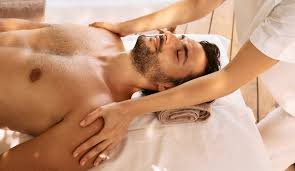
4. Head, Neck & Shoulder Massage

Focuses on common tension areas where anxiety symptoms show up.

5. Manual Lymphatic Drainage

Helps reduce fatigue and improves circulation, indirectly supporting a calm state.

How Many Sessions Are Needed to Notice a Difference?

Some people feel relief after just one session, especially if their anxiety is related to muscle tension and stress.

However, for long-term benefits, many therapists recommend:

–  Weekly sessions for the first 3 – 4 weeks

–  Transitioning to biweekly or monthly sessions afterward

–  Pairing massage with lifestyle habits like deep breathing, exercise, and hydration

Everyone responds differently, so frequency can be tailored to individual needs.

Is Massage Therapy Safe for Anxiety?

Massage therapy is generally safe for most people. However, you should inform your therapist if you have:

Recent injuries

–   Medical conditions

–   Pregnancy

–   Chronic pain issues

–   Sensory sensitivities

An experienced therapist can adjust pressure and techniques to ensure comfort.

Massage Therapy vs. Other Relaxation Techniques

Massage therapy pairs well with:

–  Yoga and stretching

–  Mindfulness meditation

–  Breathing exercises

–  Physiotherapy

–  Acupuncture therapy

–  Heat therapy

Combining these strategies often leads to better long-term management of anxiety symptoms.

When to Seek Professional Help

While massage therapy helps with mild to moderate anxiety, individuals experiencing:

–  Persistent worry

–  Panic attacks

–  Sleep disturbances

–  Emotional overwhelm

should also seek guidance from a mental health professional.

Massage therapy works best as part of a holistic approach to well-being.

Final Thoughts

Massage therapy can be a valuable, natural tool for easing anxiety helping relax muscles, calm the nervous system, and improve overall well-being. Whether you’re dealing with day-to-day stress or ongoing anxiety, regular sessions can offer meaningful relief and support mental health.

If you’re considering massage therapy to manage stress or anxiety, you can explore options at a trusted physiotherapy clinic in Surrey to find a treatment approach that suits your needs.

Go To Top